
Together, not against each other
Diversity is a broad and complex issue—how do churches approach it? Church Councilor Irene Diller gives valuable insights on this difficult matter in the following interview. The theologian and diversity manager works in the Diversity and Gender Office of the Evangelical Church in the Rhineland.
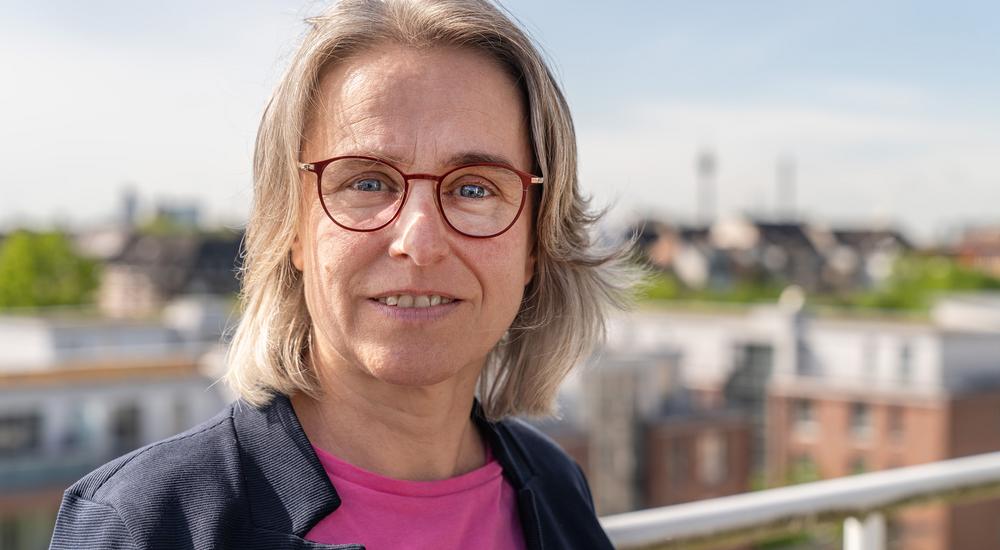 © Foto: ekir | Irene Diller
The Diversity Conference in the Rhineland has been taking place for several years now. What topics are on the agenda?
On March 21, 2026, advocates gathered for the fourth Diversity Conference. This year’s main topic was ableism, with an opening address by Rainer Schmidt. Last year’s conference focused on classism, featuring Sarah Vecera and Thea Hummel, and the year before that on intersectionality and racism, with sessions led by Dr. Alena Höfer and Prof. Dr. Lorenz Narku Laing.
What role does an intersectional approach to diversity play in your conferences?
So far, it has become clear in all the keynote speeches that issues of access and discrimination never concern just one aspect of a person’s identity. A person’s experiences and structural opportunities are shaped by intersectional factors: gender, age, appearance, background, and so on interact to determine not only whether someone has opportunities in the housing and labor markets, but also how likely it is that they will serve on a church governing body.
At the Diversity Conference, the daily schedule also reflects our approach to diversity, which is always multisectional and intersectional: In the morning, the focus is on a specific diversity topic, while the afternoon features a variety of workshops on our various key themes, such as anti-racism, interculturalism, queer-feminist issues, inclusion, and youth participation.
Have you noticed any changes in your church and networks?
Just as in society at large, the church is seeing, on the one hand, developments toward greater equality and inclusion, while at the same time, factors such as budget constraints are leading to setbacks in some areas. For example, a patriarchal orientation is becoming more prevalent again when it comes to the image of God and liturgical language. Overall, however, awareness of discrimination is growing, as is the determination to overcome it. When it comes to gender issues, our regional church has come a long way; by 2025, the Evangelical Church in the Rhineland also passed resolutions on the topic of queerness. When it comes to racism, however, we are still in the early stages.
This year’s theme is ableism. What will be the situation regarding this issue in 2026?
The church likes to see itself in the role of helper. However, we only realize just how much exclusion still occurs when people with disabilities point out the physical or academic barriers that prevent them from participating in shaping the church. We had a lively discussion about who is actually responsible for demanding that these barriers will be removed: those directly affected, those in positions of responsibility, or activists and allies who draw attention to discrimination. Of course, there is no simple answer, but it is clear that not everyone has the strength to speak out for their own rights. A self-critical assessment of the existing power dynamics would be a fitting step for the church to take.
What advice would you give to people who are committed to diversity in the church and mission?
My belief is: with each other, not against each other. Time and again, right-wing forces try to pit marginalized groups against one another: women’s rights against queer rights, criticism of racism against issues of classism. We can only move forward if we fight discrimination together.
And my experience within church structures shows that diversity management is not a separate, additional process within an already overburdened system. Rather, diversity mainstreaming improves all ongoing processes, helps clarify which goals are being pursued, and identifies the impact of measures on specific groups. Thus, diversity is not added “on top” but is integrated across all aspects of the work.
The interview was conducted by Christiane Ehrengruber.