
More than words: Why inclusive language matters
The way we speak and write has a direct impact on the world we live in. This is what people at Mission 21 believe. Barbara Heer, Head of Staff Office Women and Gender, shares her insights on the guidelines they have produced and the impact inclusive language can have.
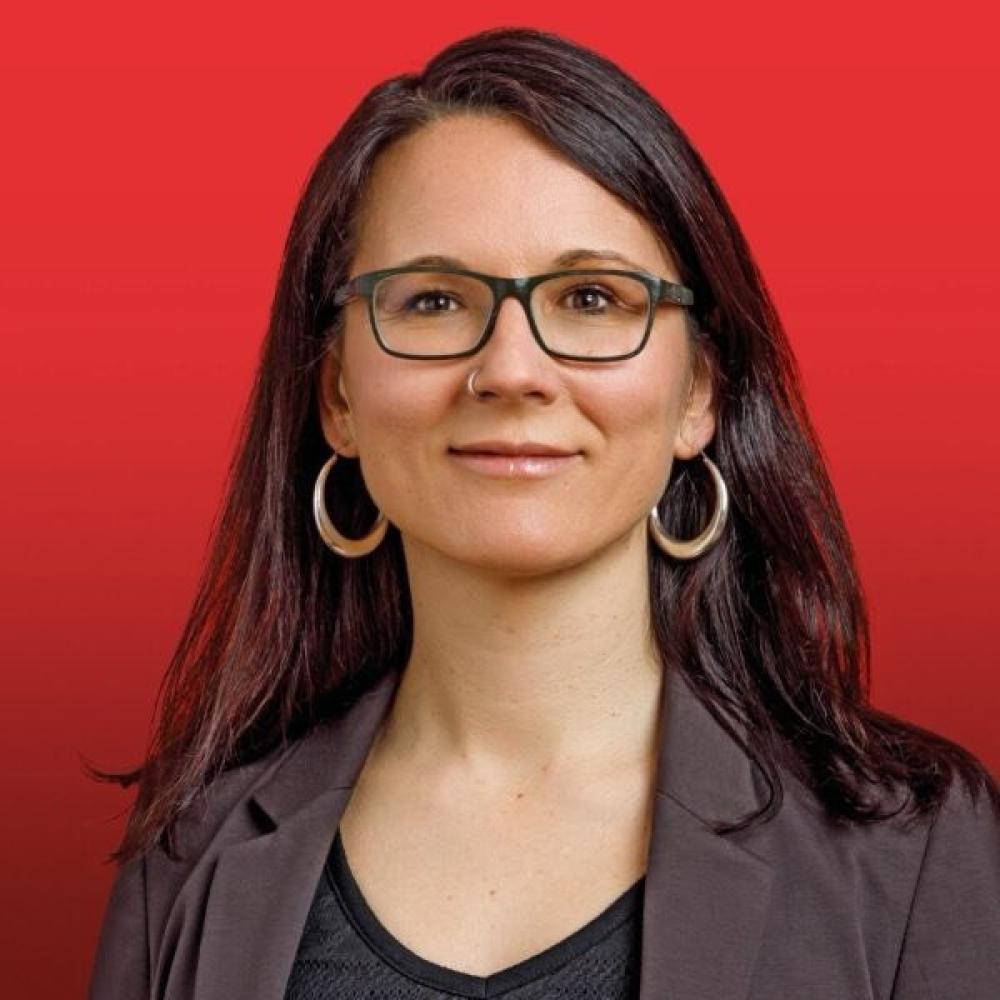 © Foto: SP Basel-Stadt | Barbara Heer holds a Ph.D. in anthropology, is politically active in promoting gender equality in the canton of Basel-Stadt, and acted as Mission 21’s process owner for the development of the guidelines for inclusive language.
Mission 21 recently published a guideline on inclusive language. How would you describe the impact language has on making the world a more inclusive place?
Language alone does not change realities, but it is an important factor because it describes reality. And by describing reality, it also influences how we see and understand the world. Marginalization is often reflected in language, meaning that some people are made invisible through the way we speak and write. If we want to tackle inequalities, working on our language is one of the key elements.
The guidelines cover many different aspects of discrimination. When you designed them, how did you define the different areas you wanted to address?
Initially, we focused on gender, as women are one of the key stakeholder groups of the organization. Since Mission 21 works towards inclusive and just societies within an SDG16+ framework, the question of inclusive language naturally arose.
As we worked on the topic, we realized that gender cannot be considered in isolation. Questions of decolonization, age and disability soon became part of the discussion. We wanted to develop principles that raise awareness of the power structures behind inequalities, regardless of the specific area. This is how the guide became intersectional, with intersectional guiding principles forming its foundation.
What impact has the document had so far?
Internally, the guidelines have become a tool for organizational development. They are also an instrument for reflecting on questions of responsibility and power. As an organization that is committed to decolonization, it is important for us to begin with our own attitudes and practices.
On an external level, the Mission Diversity Meetup invitation has been one of the highlights. We have also received positive feedback from people who are engaged in or work professionally in the fields of diversity and gender. It is a very unique document, and some people have been surprised that such a resource comes from a faith-based organization.
Do you have any advice for other people working on diversity in the church and mission field?
Patience!
We started with a process of reflection rather than with the goal of producing a publication. Only later did we decide to share the document because the discussions had been so valuable. An open process, including feedback from colleagues and the management board, helped create honest conversations and broad ownership.
At the same time, it is important not to avoid difficult discussions. Questions such as “Why do we need to talk about language again?” can be challenging, but engaging with them is essential. In our experience, taking the time for these conversations made a real difference.
The interview was conducted by Christiane Ehrengruber.
Guidelines for Inclusive Language
The Mission 21 guidelines are intended for organizations and individuals who wish to take responsibility for how they speak and write about people, societies, and global issues. It is meant as an invitation to develop language in a conscious and responsible manner.
The guidelines can be downloaded for free at Mission 21 (German only).
In a short video Mission 21 staff members share their experiences with the guidelines.